


"Overcoming Early Ovarian Failure and Thalassemia | Pregnant with Twins through Egg Donation at Age 35"
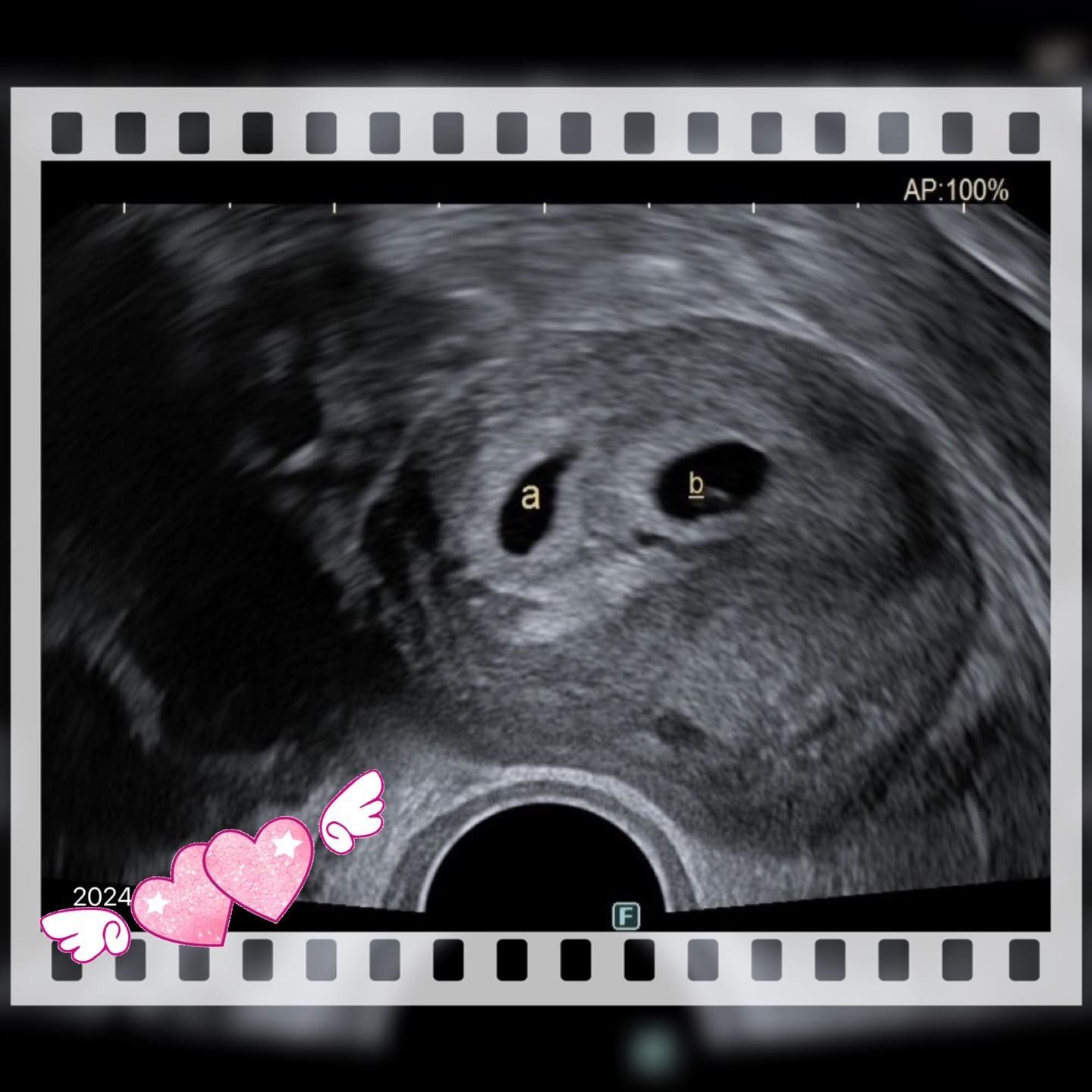
Mr. So, 35 years old, is in his third year of marriage and has experienced multiple miscarriages so far. Although he appears to be in good spirits on the outside, deep pain remains within his heart.
The couple underwent a pre-pregnancy health check at our clinic, where it was found that both are carriers of Mediterranean anemia (thalassemia). Mediterranean anemia is an autosomal recessive genetic disorder caused by a single gene, and carriers typically show few symptoms. However, there is a genetic risk for the next generation, with a 25% chance of having a severe patient, a 50% chance of being a carrier, and a 25% chance of being normal. During pregnancy, this can potentially affect both the mother and the fetus.
Initially, the plan was to combine in vitro fertilization (IVF) with PGT-M testing (preimplantation genetic testing for monogenic conditions). However, the test results revealed that Ms. Zeng's ovarian function was declining prematurely (AMH: 0.84). The director presented the following two options.
Sure! Here is the translation of the paragraph:
1. Egg retrieval using one's own eggs: Multiple egg retrievals are necessary, and embryos are collected for PGT-M testing. The drawbacks are that it is expensive, time-consuming, and there is a risk that normal embryos may not be available for transfer.
2. Egg donation: Eggs are received from a donor who does not carry the genes for Mediterranean anemia.
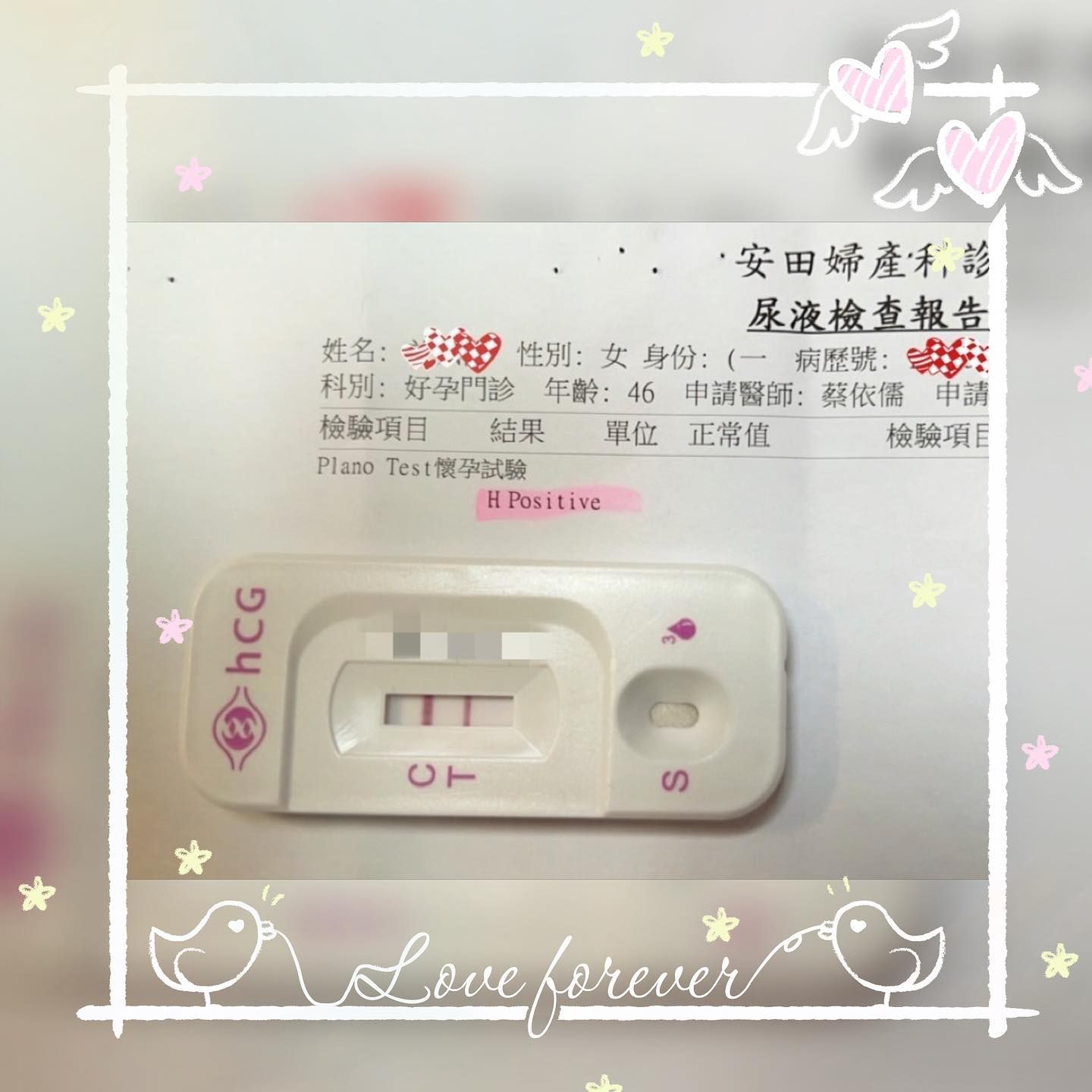
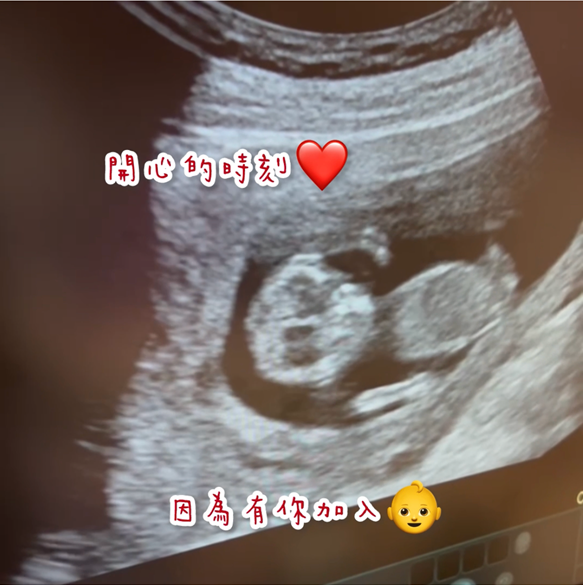
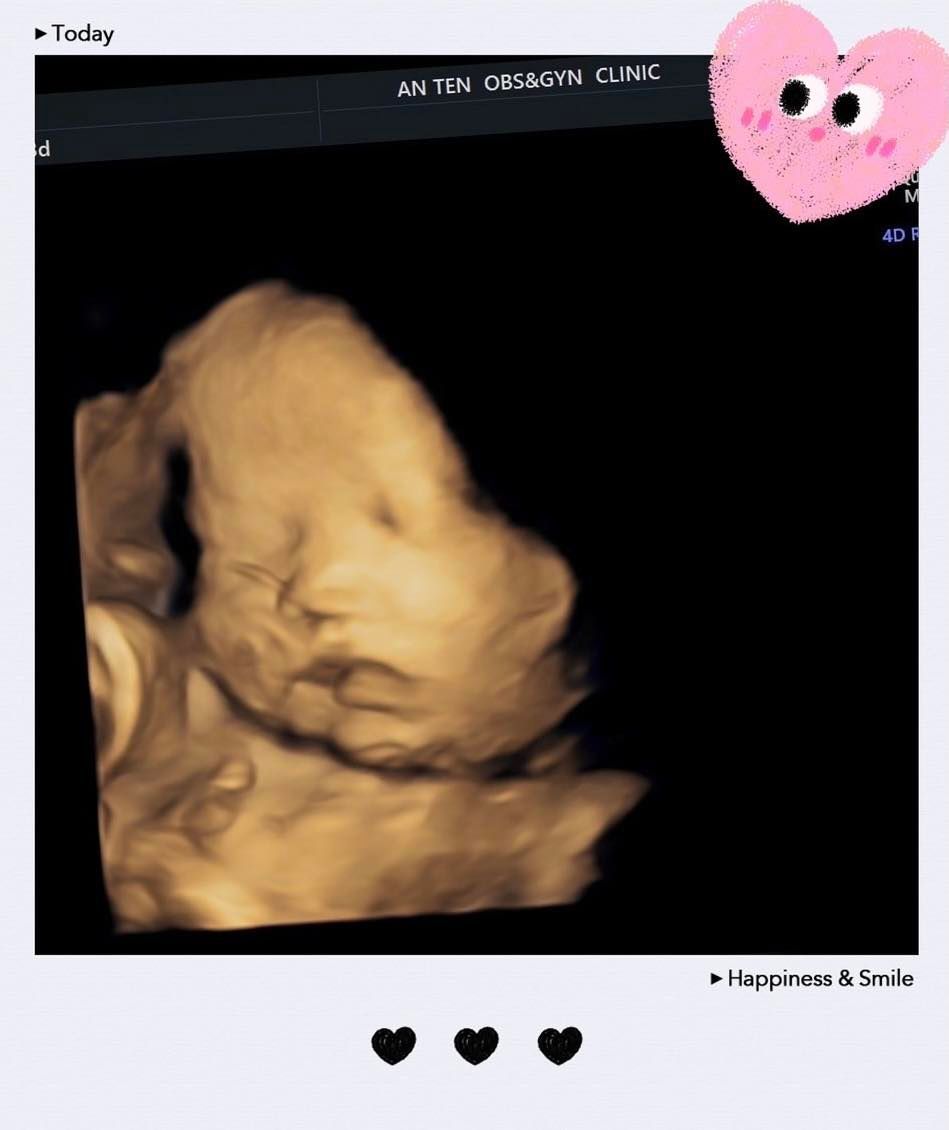
After careful consideration, Mr. and Mrs. Zeng chose egg donation. Taking into account their experiences with recurrent miscarriages, they had detailed consultations with Director Cai and decided to transfer two embryos. As a result, they achieved a twin pregnancy. The pregnancy, which came after many years of effort and choices, became a significant joy for the Zeng couple.
*This article is a case study, and our clinic provides support tailored to each individual.*